
Intraocular pressure (IOP) measurement is one of the few diagnostic checkpoints that touches nearly every patient encounter in an ophthalmology or optometry practice, which is why the tonometer sitting in each lane quietly drives a lot of downstream decisions: staffing throughput, consumables budget, calibration overhead, and ultimately how confidently a clinician can flag glaucoma risk. For anyone specifying equipment for a new lane, replacing aging Goldmann units, or evaluating a fleet-wide standardization project, the choice is less about brand loyalty and more about matching measurement principle, workflow, and total cost of ownership to the patient population being served.
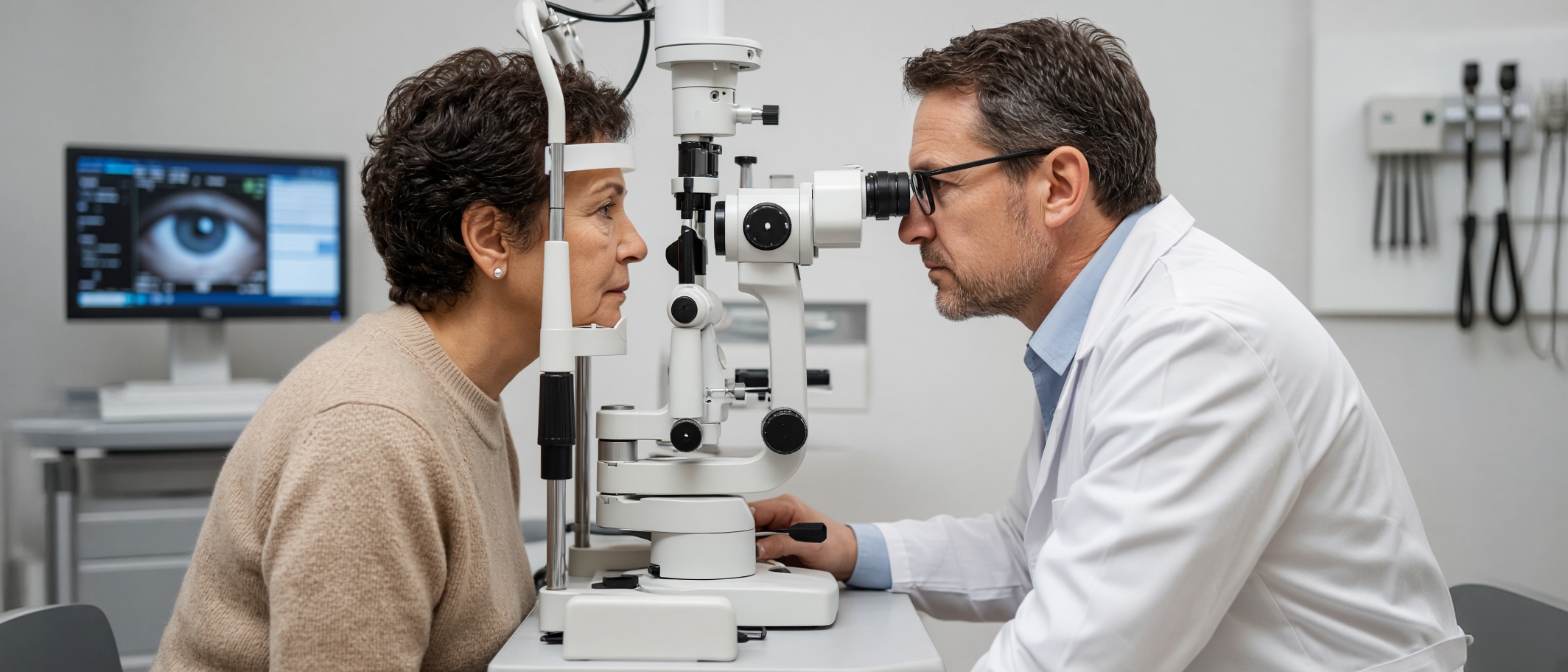
Four methodologies dominate current procurement decisions. Goldmann applanation tonometry (GAT), slit-lamp mounted and based on the Imbert-Fick principle, remains the reference standard against which every newer device is validated in clinical literature, but it requires topical anesthetic, fluorescein, and a trained examiner. Non-contact ("air-puff") tonometry trades a small amount of accuracy at pressure extremes for speed and zero cross-contamination risk, making it a fit for high-volume screening lanes. Rebound tonometry, built around a motion-sensing probe that briefly touches the cornea without anesthesia, has become the default for pediatric, low-cooperation, and home-monitoring use cases. Dynamic contour and corneal-response technologies layer in biomechanical correction (corneal hysteresis, IOPcc) that better predicts glaucoma progression risk independent of central corneal thickness.
List price is rarely the deciding factor once a device is in service. The line items that matter over a five-to-seven-year equipment cycle are:
In the US, tonometers are Class II devices cleared under FDA 510(k), and most manufacturers design to the ISO 8612 accuracy and reproducibility standard, which is worth confirming during vendor evaluation rather than assuming. Bluetooth or USB export to EHR/EMR systems is now standard on newer handheld units, which matters for practices consolidating diagnostic data automatically rather than via manual chart entry. Practices running multi-site or teleophthalmology programs should also weigh which platforms support remote/home tonometry data feeds, since diurnal IOP curves are increasingly part of glaucoma management protocols.
Most established practices run a hybrid fleet rather than standardizing on one method: a slit-lamp-mounted Goldmann unit as the reference/adjudication instrument, a handheld rebound or applanation device for exam-lane speed and pediatric or low-mobility patients, and — in high-volume or optometric screening settings — non-contact units to keep throughput up without anesthetic or single-use consumables. When evaluating new vendors, ask for head-to-head correlation data against GAT at the pressure ranges relevant to your patient population, since agreement with Goldmann tends to diverge most at the low and high ends of the IOP range rather than in the normal midrange.
Last Update: August 2026